Industrial PLC Systems Explained
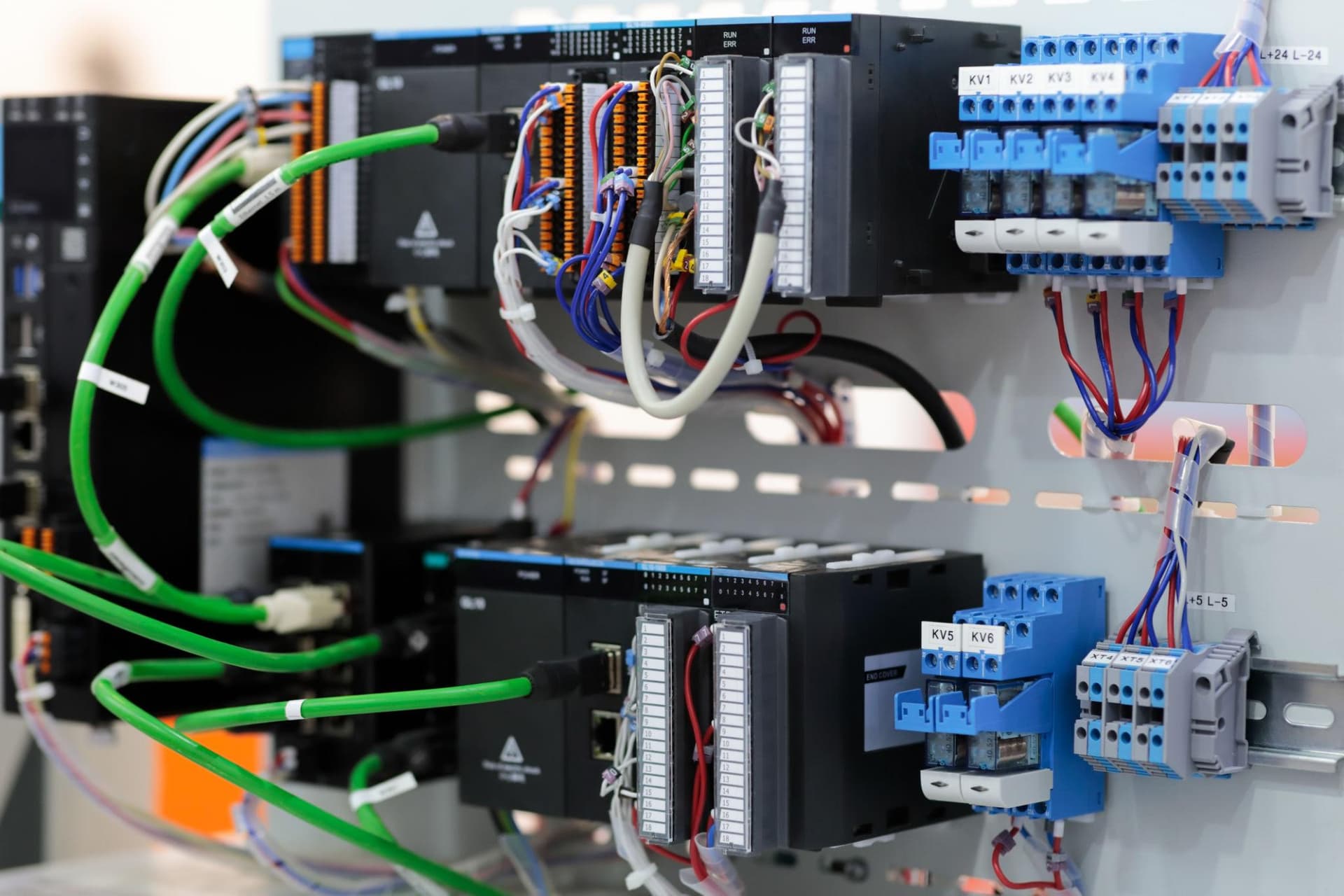
Industrial automation relies heavily on Programmable Logic Controllers (PLCs) to control machines, processes, and production systems. PLC systems act as the brain of industrial operations, processing input signals and executing control logic in real time.
From manufacturing plants to energy systems, PLCs are essential for efficient, reliable, and automated operations.
Organizations sourcing PLC modules and controllers often rely on Industrial Partner for replacement parts and industrial automation components.
Browse PLC modules and automation components:
What is a PLC (Programmable Logic Controller)?
A PLC is a specialized industrial computer used to control automation processes.
It monitors inputs such as:
- sensors
- switches
- temperature readings
Then executes programmed logic to control outputs like:
- motors
- relays
- valves
- actuators
PLCs are designed to operate in harsh industrial environments.
Key Components of a PLC System
CPU (Central Processing Unit)
The CPU is the brain of the PLC, executing logic and processing data.
Input Modules
Input modules receive signals from sensors and devices.
Example:
Allen-Bradley 1746-IA4 Input Module
Output Modules
Output modules control devices such as motors and relays.
Example:
Allen-Bradley 1746-OA8 Output Module
Siemens 6ES7322-1CF80-0AA0 Output Module
Power Supply
Provides stable power to the PLC system.
Communication Modules
Enable PLCs to connect with other systems.
Types of PLC Systems
Compact PLCs
All components are integrated into a single unit.
Used in:
- small automation systems
- simple machinery
Modular PLCs
Separate modules for CPU, input/output, and communication.
Used in:
- large industrial systems
- complex automation environments
Distributed PLC Systems
Used across multiple locations and connected via networks.
Ideal for:
- large facilities
- industrial plants
Applications of PLC Systems
Manufacturing Automation
PLCs control assembly lines, machines, and robotic systems.
Process Control
Used in industries such as:
- oil and gas
- water treatment
- chemical processing
Energy Systems
PLCs manage power generation and distribution.
Logistics and Material Handling
Used in conveyor systems and automated warehouses.
Benefits of PLC Systems
Reliability
PLCs are built for continuous industrial operation.
Flexibility
Programs can be updated without changing hardware.
Real-Time Control
Immediate response to system inputs.
Scalability
Systems can be expanded with additional modules.
PLC Programming Languages
PLCs use standardized programming languages such as:
- Ladder Logic
- Function Block Diagram
- Structured Text
These allow engineers to design and control automation processes effectively.
Choosing the Right PLC System
When selecting a PLC, consider:
System Complexity
Simple machines require compact PLCs, while complex systems need modular setups.
I/O Requirements
Determine the number of inputs and outputs needed.
Communication Needs
Ensure compatibility with industrial networks.
Environmental Conditions
PLCs must withstand:
- temperature variations
- vibration
- electrical noise
Replacement PLC Modules and Legacy Systems
Many industrial facilities rely on older PLC systems that require replacement parts.
Industrial Partner provides:
- obsolete PLC modules
- legacy automation components
- hard-to-find replacements
Explore available PLC components
Real-World Example
A manufacturing plant uses PLC systems to control its assembly line.
When an output module fails:
- the system stops
- production is delayed
With readily available replacement modules:
- downtime is minimized
- operations resume quickly
Future Trends in PLC Systems
Smart PLCs
PLCs now include advanced processing capabilities and connectivity.
Integration with Industrial IoT
PLCs connect with cloud systems for real-time monitoring.
Edge Computing
Processing is performed closer to the source for faster response.
AI in Automation
PLCs are being integrated with AI for predictive control systems.
Conclusion
Industrial PLC systems are at the core of automation, enabling machines and processes to operate efficiently and reliably.
From simple control tasks to complex industrial operations, PLCs play a critical role in modern manufacturing and automation.
Companies sourcing PLC components often rely on Industrial Partner for reliable and replacement-ready industrial parts.