Industrial Sensors and Monitoring Devices: How They Enhance Automation and Predictive Maintenance
Industrial sensors and monitoring devices are the backbone of modern automation systems. They continuously collect real-time data from equipment and processes — tracking temperature, pressure, flow rates, vibration, and more — so that industrial operations can respond intelligently before problems occur.
Whether you manage a manufacturing plant, a water treatment facility, or an energy system, selecting the right industrial sensors directly affects your uptime, safety record, and maintenance costs. This guide covers the major sensor types, their industrial applications, and how to choose and source the right components for your system.
Browse industrial sensors and automation components at Industrial Partner.
What Are Industrial Sensors?
Industrial sensors are devices that detect physical or environmental changes — such as heat, pressure, movement, or fluid levels — and convert those changes into electrical signals. Those signals are transmitted to control systems including PLCs (programmable logic controllers), SCADA platforms, industrial computers, and monitoring software, where they trigger automated decisions or alert operators to changing conditions.
Unlike consumer-grade sensors, industrial sensors are engineered to perform reliably in harsh environments: extreme temperatures, high humidity, heavy vibration, dust, and chemical exposure. They are a critical component in:
• Process automation and machine control
• Real-time condition monitoring
• Predictive maintenance programs
• Quality control and production tracking
Types of Industrial Sensors and Monitoring Devices
Industrial sensors are categorized by the physical property they measure. Here are the main types used in automation and monitoring systems.
1. Float Switches — Liquid Level Detection
Float switches detect liquid levels in tanks, reservoirs, and vessels. When the liquid rises or falls to a set point, the float switch triggers an electrical signal that activates pumps, valves, or alarms.
Common applications include water treatment, oil storage tanks, and chemical processing systems.
Example products from Industrial Partner:
• Anchor Scientific GSI30NONC Float Switch
• Magnetrol T10-5104-040 Float Switch
2. Flow Sensors — Liquid and Gas Movement
Flow sensors measure the rate at which liquids or gases move through a pipe or system. They are widely used in pneumatic systems, hydraulic circuits, industrial cooling systems, and chemical dosing processes where flow rate directly affects system performance.
Example product:
• SMC PFM750S Digital Flow Switch
3. Pressure Sensors and Switches
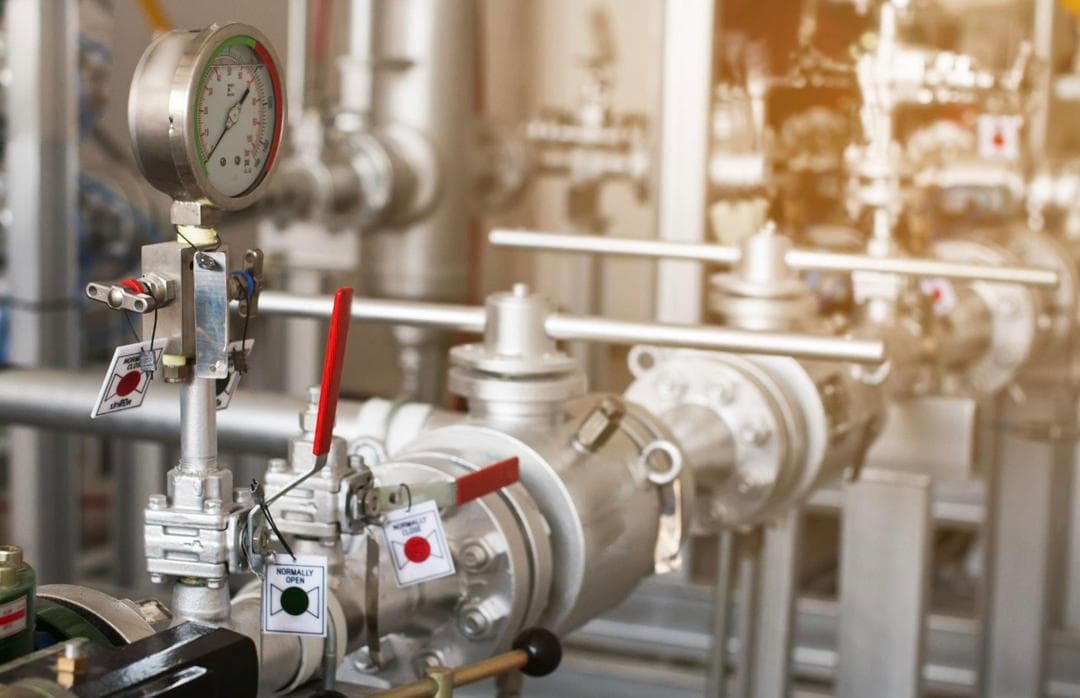
Pressure sensors monitor the pressure level within hydraulic systems, pneumatic lines, pipelines, and industrial machinery. They protect equipment from overpressure conditions and ensure that systems operate within safe design parameters.
Differential pressure switches, in particular, detect the pressure difference between two points — essential in filter monitoring, flow measurement, and level detection.
Example product:
• Pall RCA218MZ091Z Differential Pressure Switch
4. Proximity Sensors — Non-Contact Object Detection
Proximity sensors detect the presence or absence of nearby objects without requiring physical contact. They are among the most widely used sensors in industrial automation, found in conveyor systems, robotic arms, assembly lines, and packaging equipment.
Industrial proximity switches typically use inductive, capacitive, or photoelectric sensing technology, depending on whether the target is metallic, non-metallic, or detected at a distance.
Key applications:
• Conveyor belt object detection
• Robotic positioning and end-of-travel limits
• Packaging and counting automation
• Safety interlock systems
5. Temperature Sensors
Temperature sensors monitor heat levels in industrial systems including furnaces, motors, HVAC equipment, power distribution systems, and manufacturing processes. Maintaining correct operating temperatures protects both equipment and product quality.
Common types include thermocouples, RTDs (resistance temperature detectors), and infrared temperature sensors, each suited to different temperature ranges and accuracy requirements.
6. Industrial Monitoring Devices and Systems
Beyond individual sensors, industrial monitoring systems aggregate sensor data to provide a continuous picture of equipment health and process performance. These systems collect signals from multiple sensors across a facility and present them through dashboards, alarms, and data logs.
Monitoring systems help operations teams identify:
• Abnormal operating conditions before they cause failures
• Gradual equipment wear and performance degradation
• Energy usage patterns and inefficiencies
• Process deviations affecting product quality
Industrial Applications of Sensors and Monitoring Devices
Manufacturing Automation
On production lines, sensors monitor machinery speed, position, temperature, and output quality in real time. They enable automated responses — stopping a line when a fault is detected, adjusting speed based on load, or alerting maintenance teams to impending failures — all without human intervention.
Water and Wastewater Treatment
Water treatment facilities rely on float switches, pressure sensors, and flow meters to monitor tank levels, manage pump operations, and detect blockages or leaks. Accurate sensor data ensures that treatment processes remain within regulatory compliance parameters.
Energy and Utilities
Power distribution systems use temperature and pressure sensors to monitor transformers, switchgear, and generation equipment. Early detection of thermal anomalies or pressure deviations prevents costly equipment damage and unplanned outages.
Oil and Gas
In oil and gas environments, sensors detect pressure changes, flow rates, and the presence of hazardous substances. They are critical for leak detection, pipeline integrity monitoring, and safe operation of drilling and processing equipment.
Robotics and Smart Factories
Proximity sensors, vision systems, and force sensors are integrated into robotic systems to enable precise positioning, collision avoidance, and adaptive control. In smart factory environments, sensor data feeds into IIoT platforms for continuous optimization.
Benefits of Industrial Sensor and Monitoring Systems
• Reduced Downtime: Sensors detect early warning signs of equipment failure, enabling corrective action before a breakdown occurs.
• Improved Safety: Monitoring critical parameters such as pressure, temperature, and fluid levels prevents dangerous operating conditions.
• Lower Maintenance Costs: Predictive maintenance driven by sensor data eliminates unnecessary scheduled maintenance and emergency repair costs.
• Better Energy Efficiency: Real-time data on power consumption and system performance identifies opportunities to reduce energy waste.
• Higher Product Quality: Process sensors maintain consistent operating conditions, reducing variation and defect rates.
Predictive Maintenance and Smart Monitoring
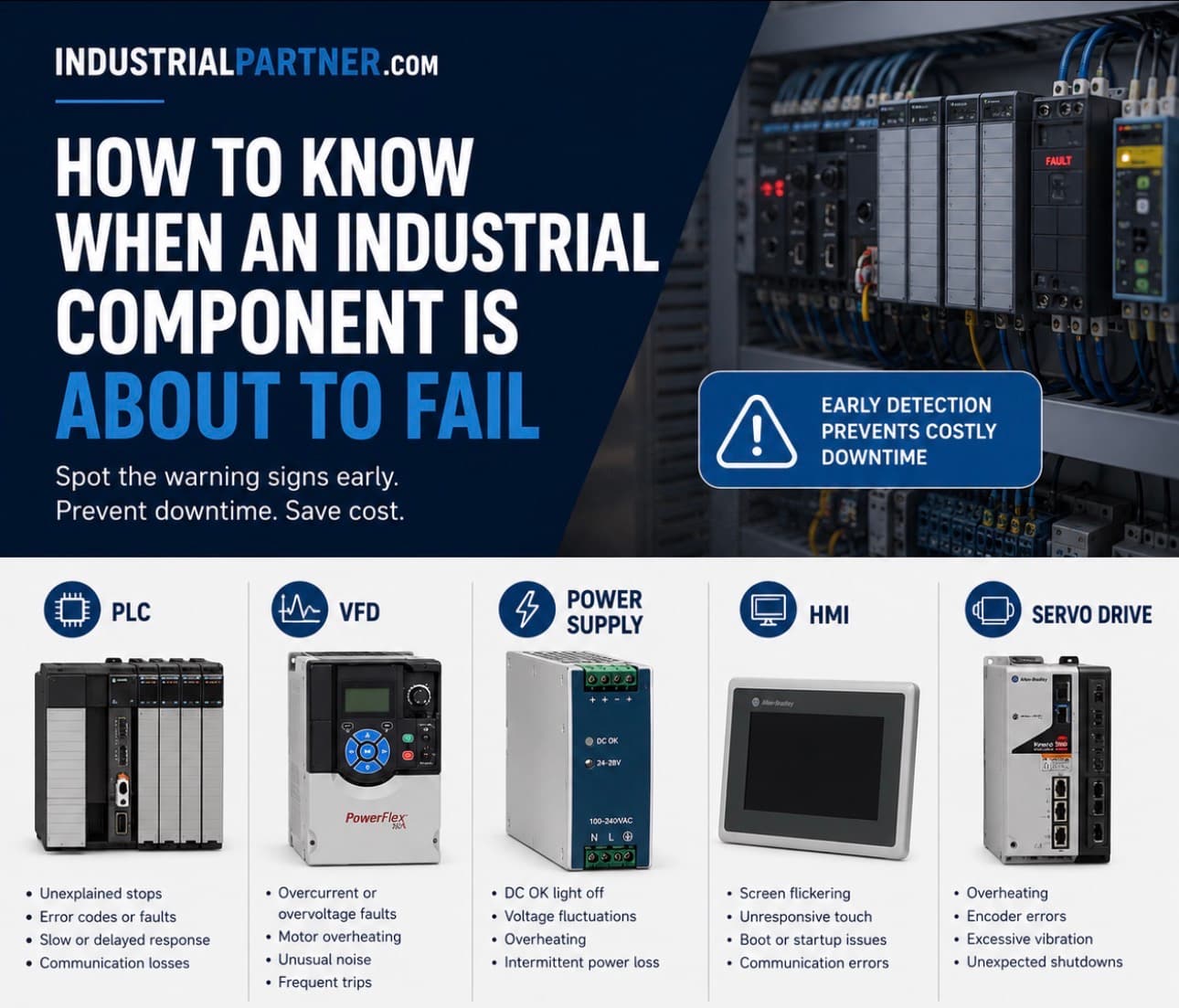
Predictive maintenance is one of the most valuable applications of industrial sensors. Rather than replacing components on a fixed schedule or waiting for equipment to fail, predictive maintenance uses continuous sensor data to forecast when a component is approaching the end of its useful life.
A vibration sensor, for example, can detect changes in bearing frequency that precede failure by days or weeks. A temperature sensor can flag thermal anomalies in electrical systems before they cause a fire or shutdown.
Modern predictive maintenance systems combine:
• IoT-connected sensors that transmit data continuously
• Cloud-based monitoring platforms for centralized visibility
• AI and machine learning algorithms that identify failure patterns
• Automated alerts and work order generation for maintenance teams
The result is a significant reduction in unplanned downtime and a longer operational lifespan for critical assets.
How to Choose the Right Industrial Sensors
Selecting the correct sensor for your application requires evaluating several factors beyond basic function.
Environmental Conditions
Industrial sensors must be rated for the environment in which they operate. Consider exposure to moisture, dust, chemicals, vibration, and temperature extremes. Look for IP (Ingress Protection) ratings and relevant certifications such as ATEX for hazardous environments.
Accuracy and Resolution Requirements
Different applications demand different levels of precision. A proximity sensor for a conveyor system has different accuracy requirements than a pressure sensor controlling a critical hydraulic circuit. Always match sensor specification to application need.
Communication and Integration Compatibility
Ensure the sensor's output signal is compatible with your existing control system. Common signal types include 4–20 mA analog, digital on/off, NPN/PNP transistor output, and digital protocols such as IO-Link, Modbus, or PROFINET.
Response Time
High-speed automation systems require sensors with fast response times. For robotic and high-speed conveyor applications, sensor response time can directly affect throughput and safety.
Replacement Sensors and Legacy Systems
Many industrial facilities continue to operate older automation systems that require hard-to-find replacement sensors. Industrial Partner specializes in sourcing obsolete and legacy industrial components, including discontinued sensor models that are no longer available through original manufacturers.
Explore industrial replacement parts and obsolete components at Industrial Partner.
Future Trends in Industrial Sensors and Monitoring
• Smart Sensors with Onboard Processing: Next-generation sensors include integrated microprocessors that perform local data analysis and self-diagnostics, reducing the processing burden on central controllers.
• Wireless Sensor Networks: Wireless industrial sensors eliminate complex wiring and simplify installation in distributed or difficult-to-reach locations, while maintaining industrial-grade reliability.
• AI-Driven Predictive Analytics: Machine learning models trained on sensor data can detect subtle failure signatures that traditional threshold-based alarms miss, enabling earlier and more accurate predictions.
• Industrial IoT (IIoT) Integration: Connected sensor ecosystems provide real-time visibility across entire facilities and supply chains, feeding data into enterprise asset management systems and digital twins.
Conclusion
Industrial sensors and monitoring devices are essential infrastructure for any modern automation system. From float switches and pressure sensors to advanced IoT-connected monitoring platforms, these technologies deliver the real-time visibility that industrial operations depend on to stay productive, safe, and efficient.
Choosing the right sensor means matching technical specifications to your application environment, control system, and accuracy requirements. For facilities managing legacy equipment or sourcing hard-to-find replacement components, working with a specialized industrial supplier makes the difference.
Industrial Partner stocks a wide range of industrial sensors, monitoring devices, and automation components — including replacement parts for legacy systems. Browse the full catalog or contact the team for sourcing assistance.