Industrial Motors and Drives
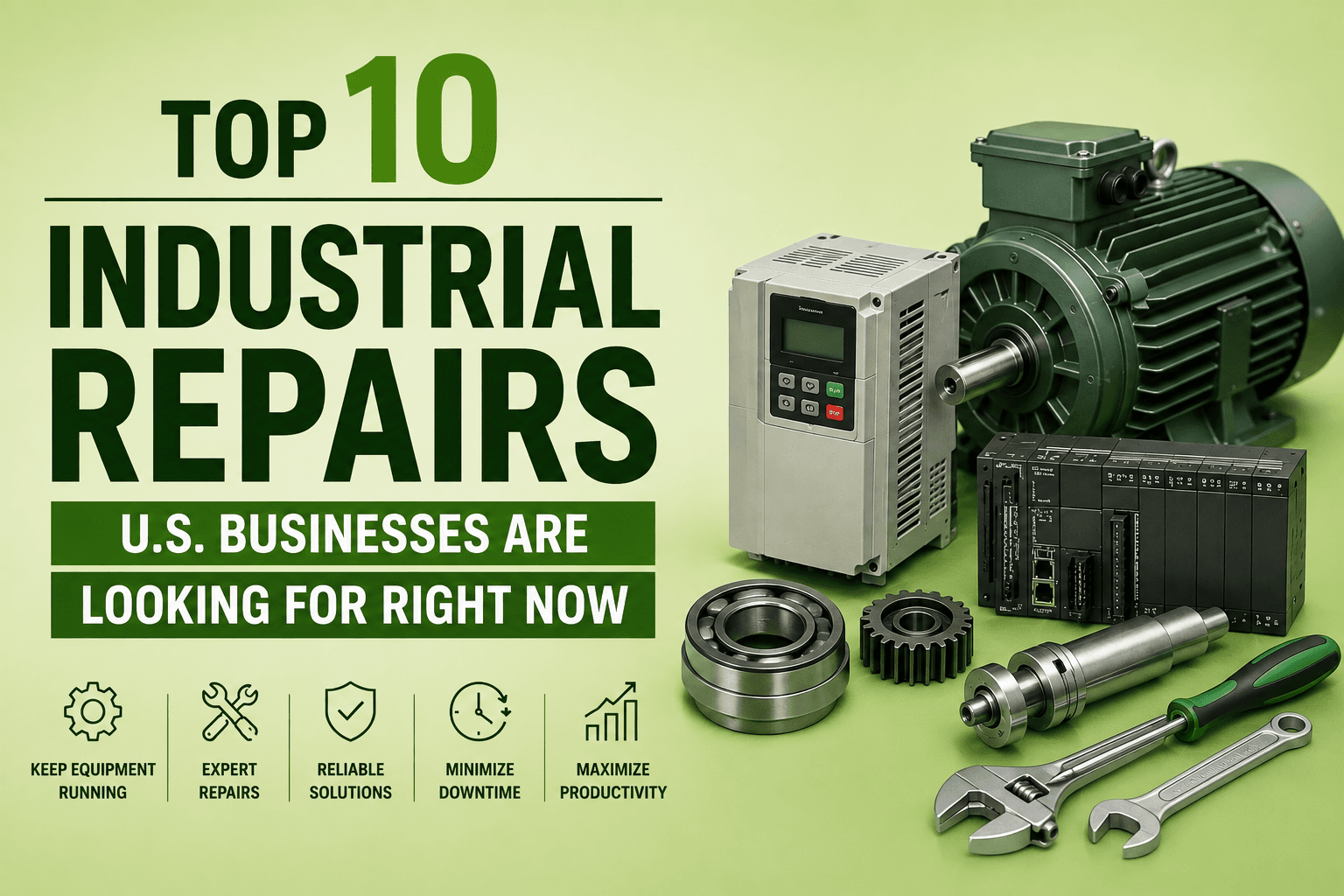
Industrial automation systems rely on motors and drives to convert electrical energy into mechanical motion. These components power machines, conveyor systems, robotics, and manufacturing equipment.
Industrial motors and drives are essential for:
- motion control
- speed regulation
- torque management
- automated production systems
Companies sourcing motor components and replacement parts often rely on Industrial Partner.
Browse motors and drive systems:
What Are Industrial Motors?
Industrial motors are devices that convert electrical energy into mechanical motion.
They are widely used in:
- manufacturing machinery
- pumps and compressors
- conveyor systems
- robotics
Types of Industrial Motors
AC Motors
AC motors are the most commonly used motors in industrial applications.
They are known for:
- durability
- efficiency
- low maintenance
Example:
DC Motors
DC motors provide precise speed control and are commonly used in automation systems.
Example:
Japan Servo DME60B6HFPB DC Motor
Stepper Motors
Stepper motors move in discrete steps and are ideal for positioning systems.
Example:
Oriental Motor A3723-9215 Stepper Motor
Servo Motors
Servo motors provide high precision and are used in advanced automation systems.
Example:
Panasonic MQDA023A1A Servo Driver
What Are Industrial Drives?
Industrial drives control the operation of motors by regulating:
- speed
- torque
- direction
Drives improve efficiency and enable precise motion control.
Types of Industrial Drives
Variable Frequency Drives (VFDs)
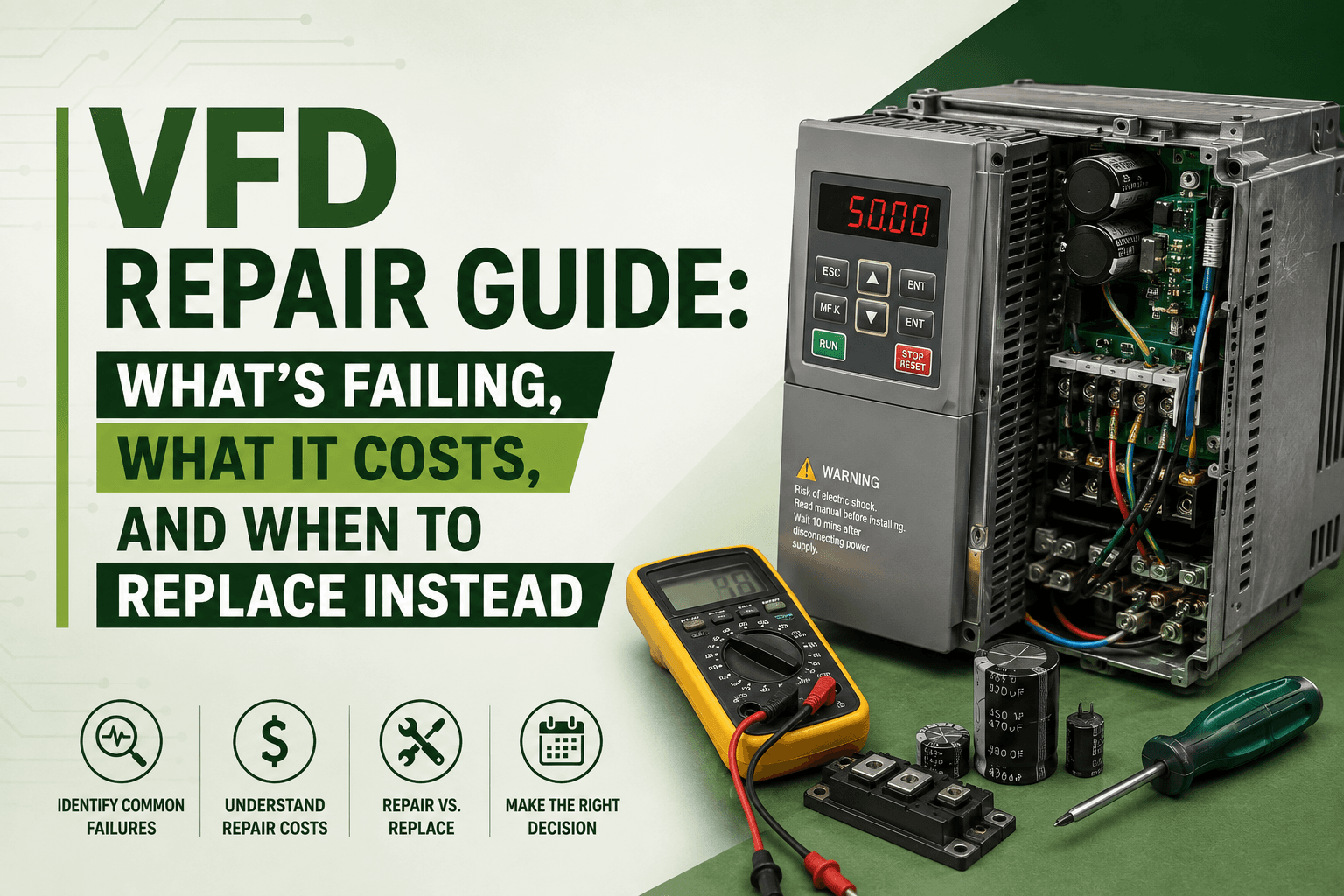
VFDs control AC motor speed by adjusting frequency and voltage.
Used in:
- HVAC systems
- pumps
- conveyor systems
Servo Drives
Servo drives control servo motors for high-precision applications.
Example:
Rockwell Automation 1398-DDM-030 Servo Drive
DC Drives
DC drives regulate voltage supplied to DC motors.
They are used in applications requiring smooth speed control.
Applications of Industrial Motors and Drives
Manufacturing Automation
Motors power machines used in production lines and assembly systems.
Conveyor Systems
Motors and drives control movement in logistics and material handling systems.
Robotics
Servo motors enable precise robotic movement.
HVAC Systems
Motors drive fans, compressors, and ventilation systems.
Energy and Utilities
Motors are used in power generation and industrial infrastructure.
Key Features of Industrial Motors and Drives
Energy Efficiency
Modern motors are designed to reduce energy consumption.
Precision Control
Drives allow accurate control of speed and torque.
Durability
Industrial motors are built for continuous operation in harsh environments.
Flexibility
Drives enable motors to adapt to different applications.
Benefits of Using Industrial Motor Systems
Increased Productivity
Automation systems operate faster and more efficiently.
Reduced Energy Costs
Efficient motors and drives lower power consumption.
Improved Reliability
Industrial-grade components reduce downtime.
Enhanced Control
Precise motion control improves product quality.
Selecting the Right Motor and Drive
When choosing motor systems, consider:
Load Requirements
Ensure the motor can handle the required workload.
Speed Control Needs
Select appropriate drive types for speed regulation.
Environmental Conditions
Motors must withstand:
- heat
- dust
- vibration
Compatibility
Ensure integration with automation systems such as PLCs.
Replacement Motors and Drives
Industrial Partner provides:
- replacement motors
- legacy drive systems
- discontinued components
Future Trends in Motor and Drive Systems
Smart Motor Systems
Motors now include sensors for monitoring performance.
Energy Optimization
Industries are adopting energy-efficient motor technologies.
IoT Integration
Motor systems connect to networks for real-time monitoring.
Conclusion
Industrial motors and drives are essential for automation systems, enabling machines to perform precise and efficient operations.
From manufacturing and robotics to logistics and energy systems, these components drive modern industrial processes.
Companies sourcing motors and drives often rely on Industrial Partner for reliable components and replacement parts.